Mastering Depth and Dimension with Layered Deer Paper Cut SVG Designs
The intersection of digital design and tangible craftsmanship has never been more vibrant than in the realm of paper cutting. Among the myriad of motifs available to creators, the deer stands out as a timeless symbol of nature, grace, and wilderness. When this classic imagery is adapted into a Layered Deer Paper Cut SVG, it transforms from a simple silhouette into a complex, three-dimensional work of art. These digital files serve as the blueprint for modern crafters, educators, and professional designers who utilize computer-controlled cutting machines to bring intricate visions to life. Understanding the nuances of these layered designs opens up a world of possibilities for home decor, event styling, and educational projects.
The Mechanics of Multi-Layered Digital Craft Files
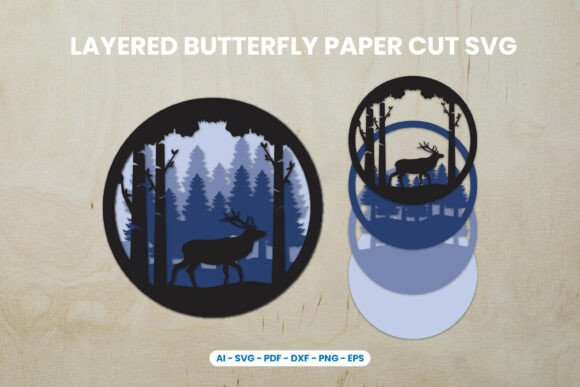
To fully appreciate the utility of a Layered Deer Paper Cut SVG, one must first understand the technical architecture behind the file. Unlike a standard single-layer image, a layered design is composed of multiple distinct vectors, each representing a specific depth plane of the final artwork. When a user downloads a comprehensive package, they typically receive a suite of file formats including SVG, AI, EPS, DXF, PDF, and high-quality PNG previews. Each format serves a unique purpose in the workflow.
The SVG (Scalable Vector Graphics) file is often the primary choice for users of consumer-grade cutting machines like Cricut or Silhouette. It preserves the vector paths necessary for the blade to follow while maintaining compatibility with web-based design software. For professional graphic designers using Adobe Illustrator, the AI and EPS files offer superior editability, allowing for the adjustment of anchor points and the modification of layer spacing before sending the job to a plotter. The DXF format remains a staple for users of older software or specific industrial cutters that rely on precise coordinate data. Meanwhile, the PDF provides a universal view of the layers for printing templates manually, and the PNG offers a rasterized preview for mockups and marketing materials.
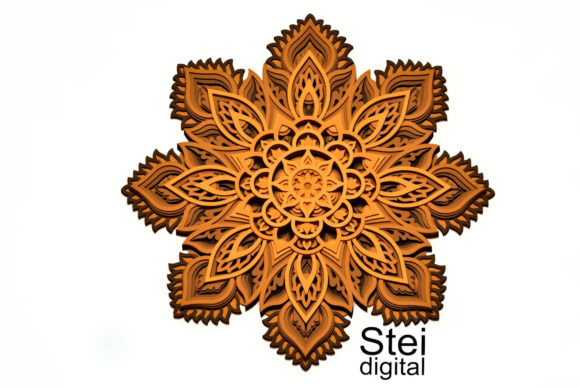
The "layered" aspect is critical. In a deer design, the foreground might consist of fine antler details and facial features, the mid-ground could define the body and musculature, and the background layers might include forest elements like pine trees, mountains, or snowflakes. When these separate pieces are cut from cardstock and assembled with adhesive foam spacers, they create a shadow box effect that mimics sculpture. This depth adds a level of sophistication that flat paper crafts simply cannot achieve.
Diverse Applications Across Industries and Hobbies
The versatility of a Layered Deer Paper Cut SVG extends far beyond the hobbyist's craft room. Professionals in various sectors leverage these assets to create high-value products and immersive experiences. In the interior design industry, large-scale layered paper art is increasingly used to create feature walls in lodges, cabins, and nature-themed restaurants. The texture of the paper combined with the interplay of light and shadow from the layers adds warmth and organic movement to a space.
Event planners and wedding coordinators frequently utilize these designs for bespoke decor. A layered deer motif can be scaled down to create elegant table centerpieces or scaled up to serve as a dramatic backdrop for photo booths at rustic-themed weddings. Because the files are vector-based, they can be resized infinitely without losing resolution, ensuring that a design intended for a greeting card can just as easily become a six-foot wall installation.
Educators also find immense value in these cutting files. In STEAM (Science, Technology, Engineering, Arts, and Mathematics) curriculums, constructing a layered paper deer teaches students about spatial reasoning, geometry, and structural engineering. Students learn how different weights of paper affect the stability of the overhangs and how adhesive placement influences the overall balance of the piece. Furthermore, biology classes can use accurate deer silhouettes to discuss anatomy and habitat, using the background layers to reconstruct ecosystems.
For small business owners selling handmade goods on platforms like Etsy, offering finished layered art pieces or DIY kits based on these SVGs represents a significant revenue stream. The perceived value of a multi-layered, hand-assembled piece is substantially higher than that of a flat print, allowing artisans to command better pricing for their time and expertise.
Material Selection and Assembly Techniques
While the digital file provides the roadmap, the physical execution relies heavily on material selection. Not all paper is created equal when it comes to layered cutting projects. Standard copy paper is generally too flimsy to hold the structural integrity required for overhanging layers. Instead, crafters typically opt for cardstock ranging from 65 lb to 110 lb cover weight. This weight class offers enough rigidity to prevent sagging while remaining thin enough to be cut cleanly by most desktop machines.
Specialty papers can further enhance the aesthetic of a Layered Deer Paper Cut SVG. Metallic cardstocks can mimic the glint of ice on antlers, while textured linen papers can add a tactile quality that resembles fur or bark. Some advanced creators even experiment with vellum for background layers to create a misty, ethereal atmosphere behind the sharp lines of the deer.
The assembly process is where the magic truly happens. To achieve the 3D effect, adhesive foam squares or strips are placed between the layers. The thickness of the foam dictates the depth of the shadow. A general rule of thumb is to use thicker spacers for the background layers to push them further back, creating a sense of atmospheric perspective. Precision is paramount during assembly; misalignment of even a millimeter can disrupt the visual flow of the antlers or the contour of the deer's neck. Many designers recommend using a lightbox during assembly to ensure that every layer aligns perfectly with the one beneath it.
Optimizing Workflow for Cutting Machines
Efficiency is key when working with complex layered files. A typical Layered Deer Paper Cut SVG package may contain ten or more individual layers. Loading and cutting each color or layer sequentially can be time-consuming. Experienced operators often utilize the "matless" cutting feature available on newer machines for larger projects, or they arrange multiple copies of the layers on a single cutting mat to maximize material usage and reduce waste.
Software settings play a crucial role in the outcome. When importing the SVG or DXF into cutting software, it is essential to check the path continuity. Sometimes, complex curves in the antlers may have break points that cause the machine to lift the blade unnecessarily, leading to jagged edges. Using the "weld" or "unite" functions within the design software can smooth these paths. Additionally, adjusting the pressure and blade depth settings according to the specific paper weight ensures clean cuts without tearing. For intricate details like the tips of the antlers or small negative spaces within the design, a finer point blade is often necessary.
Color theory also influences the workflow. While monochromatic schemes (using various shades of a single color) are popular for their elegance and ease of assembly, multicolor designs require careful planning. Users must decide whether to cut each layer from a different colored sheet immediately or cut all layers from white cardstock and paint them afterward. The latter approach allows for greater customization but adds significant labor time.
Design Considerations and Artistic Freedom
One of the greatest advantages of purchasing a high-quality file package is the freedom to modify. Because the files are provided in editable formats like AI and EPS, creators are not bound to the original composition. A designer might choose to remove the background forest elements to isolate the deer for a minimalist look, or they might duplicate the deer layer to create a mirrored symmetrical design suitable for a book cover or invitation.
The complexity of the cut also requires consideration. Highly detailed Layered Deer Paper Cut SVG files often include "islands"—small pieces of paper completely surrounded by cut lines, such as the spaces between antler tines. These require careful weeding (the removal of excess material) and sometimes the use of transfer tape to keep the design intact when moving it from the cutting mat to the assembly surface. Simpler versions of the same design may bridge these islands with tiny connectors, sacrificing some realism for structural stability and ease of assembly.
Lighting is an often-overlooked element of layered paper art. When displayed, these pieces interact dynamically with ambient light. Placing a layered deer artwork near a window or installing LED strip lighting behind the frame can cast dramatic shadows that change throughout the day, adding a kinetic element to the static medium. This interaction highlights the precision of the vector cuts and the depth achieved through the layering process.
The Future of Digital Crafting and Vector Art
As cutting technology becomes more accessible and sophisticated, the demand for high-quality, complex vector files continues to grow. The Layered Deer Paper Cut SVG represents a microcosm of this trend, blending traditional artistic motifs with modern digital fabrication. Whether used by a teacher illustrating a lesson on wildlife, a bride customizing her wedding venue, or a professional artist creating a gallery piece, these files provide a robust foundation for creativity.
The availability of diverse file formats ensures that no matter the user's skill level or equipment, they can participate in this craft. From the hobbyist using a basic home cutter to the industrial designer utilizing large-format plotters, the underlying vector data remains consistent and reliable. As creators continue to push the boundaries of what paper can do, exploring new textures, lighting techniques, and assembly methods, the humble deer silhouette remains a powerful canvas for innovation. The fusion of digital precision and manual assembly creates a unique tactile experience that resonates with audiences in an increasingly digital world, proving that there is still profound beauty in cutting, folding, and layering paper.