Evaluating Owl Laser Cut Wall Art SVG for Professional Maker Projects
For makers and craft professionals, the distinction between a file designed for printing and one engineered for physical fabrication is critical. When exploring options for nature-themed home décor, Owl Laser Cut Wall Art SVG files represent a specific category of digital assets optimized for subtractive manufacturing. Unlike standard clipart intended for inkjet printers or heat presses, these vector files are constructed with the mechanical limitations and artistic possibilities of laser cutters, CNC routers, and plotter machines in mind. This article examines the characteristics of this file type, compares it to alternative formats, and helps you determine if this approach aligns with your current project requirements.
Defining the Technical Distinction
The term Owl Laser Cut Wall Art SVG refers to more than just the image of an owl; it describes a file structure prepared for material removal. A standard SVG used for web design or sublimation printing often relies on gradients, complex shading, and raster effects that translate well to color but fail in a physical cut. In contrast, laser-ready files prioritize clean paths, closed shapes, and precise line weights. The primary goal is to ensure that when a laser beam or router bit follows the path, the result is a structurally sound piece of wood, acrylic, or MDF without unintended breaks or fragile bridges.
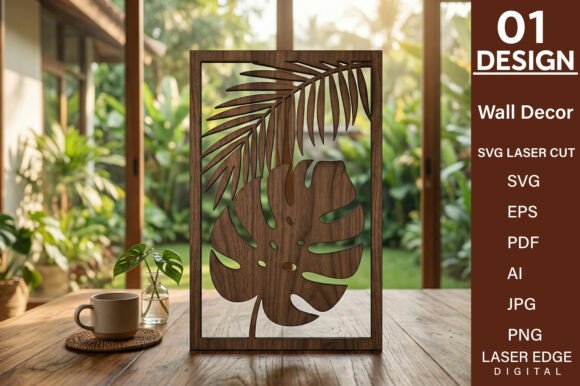
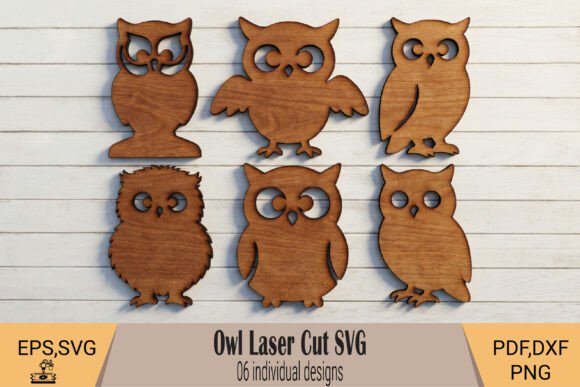
What makes this collection distinct is its focus on negative space and layering potential. Many generic owl designs are solid silhouettes, which can look heavy and flat when cut from a single sheet of plywood. High-quality laser art utilizes internal cutouts to create texture—such as feather details or facial features—without requiring paint. Furthermore, these files are often delivered in multiple formats including DXF, EPS, and PDF alongside SVG. This versatility ensures compatibility across different software ecosystems, from Silhouette Studio and Cricut Design Space to professional CAD programs like LightBurn or AutoCAD.
Comparative Analysis: Print-Ready vs. Cut-Ready Formats
When evaluating resources for a craft business or DIY home renovation, it is essential to understand where laser-cut files fit within the broader landscape of digital assets. Below is a comparison of how Owl Laser Cut Wall Art SVG stacks up against other common approaches.
- Versus Sublimation PNGs: Sublimation files are raster-based (pixels) and rely on color variation for detail. They are excellent for mugs or t-shirts but cannot be used to cut shape outlines directly. Laser SVGs are vector-based (mathematical paths), allowing them to be scaled infinitely without losing resolution, which is vital for large wall installations.
- Versus Standard Vinyl Decals: While vinyl cutters can use SVGs, designs meant for adhesive application often lack the structural integrity needed for rigid materials like 3mm birch plywood. A decal design might have "islands" (floating pieces) that fall out during weeding but would collapse if cut from wood without connecting bridges. Laser-specific files account for gravity and material tension.
- Versus Hand-Drawn Patterns: Creating a pattern from scratch offers total creative control but requires significant time and technical skill in vector illustration. Purchasing a pre-made set like the Owl Laser Cut Wall Art SVG Set provides immediate access to professionally balanced designs, allowing the maker to focus on material selection and finishing rather than path optimization.
Material Compatibility and Workflow Considerations
The utility of these files extends beyond the digital realm into the physical workshop. Because the designs are scalable, they adapt to various material thicknesses, a factor often overlooked by beginners. When working with MDF, plywood, or acrylic, the width of the cut (kerf) matters. A well-designed laser file allows the user to adjust the stroke width in their software to compensate for the laser's burn width, ensuring tight joints for layered projects.
Consider the workflow for a layered wall hanging. A typical project might involve three layers of 3mm plywood. The bottom layer serves as the base, the middle layer uses the Owl Laser Cut Wall Art SVG to create the silhouette with internal details removed, and the top layer might add specific accents. If the file was not designed with layering in mind, the alignment of these pieces could be off, resulting in visible gaps or misaligned features. The designs in this specific set are noted for their crisp lines, which facilitate precise stacking and gluing.
Additionally, the choice of finish interacts with the cut quality. Laser cutting leaves a characteristic edge—often darker on wood due to charring. Some makers embrace this contrast as part of the aesthetic, while others prefer to sand and paint. The bold outlines and clean negative-space cuts found in these files provide a professional canvas for either approach. Whether you intend to leave the natural wood grain visible for a rustic living room look or apply high-gloss enamel for a modern nursery, the underlying geometry remains sound.
Decision Factors: When to Choose This Option
Selecting the right digital asset depends heavily on your end goal. The Owl Laser Cut Wall Art SVG format is the optimal choice under specific conditions, but it may not be the solution for every scenario.
Ideal Use Cases
- Production for Craft Fairs: If you are selling at maker markets, consistency and speed are key. Using a standardized set of 6 designs allows you to batch-produce items efficiently. You can cut ten owls from a single sheet of plywood, minimizing waste and maximizing profit margins.
- Custom Home Décor: For homeowners looking to create statement pieces, such as a large-scale owl sign for a child's bedroom or a nature-themed entryway display, these files offer the scalability needed to fit unique wall spaces.
- Gift Manufacturing: During holiday seasons, themed ornaments are high-demand items. The precision of these vectors ensures that intricate details, like eye shapes or wing textures, remain intact even when scaled down to ornament size.
Limitations and Alternatives
It is important to acknowledge when this format might not be the best fit. If your primary tool is a standard inkjet printer and you have no access to a laser cutter or CNC machine, these files will not serve your immediate needs unless you plan to outsource the cutting. In such cases, a high-resolution PNG or a print-and-cut sticker file would be more appropriate.
Furthermore, if your design vision requires photorealistic shading or complex color gradients that cannot be achieved through layering or painting, a laser-cut silhouette may feel too abstract. Laser cutting is inherently binary—a spot is either cut or it is not. While stippling techniques can simulate shading, they require advanced file manipulation that goes beyond the scope of a standard ready-to-cut SVG.
Final Evaluation for Makers
In a marketplace saturated with generic digital downloads, finding files specifically engineered for fabrication adds tangible value to your workflow. The Owl Laser Cut Wall Art SVG Set distinguishes itself by addressing the practical realities of making: kerf compensation, material stability, and assembly logic. It bridges the gap between digital creativity and physical craftsmanship.
For those equipped with the necessary hardware, investing in high-quality, machine-ready vectors saves hours of troubleshooting broken paths and redesigning weak structures. It allows you to move quickly from concept to completion, whether you are producing a single custom gift or running a small-batch production line. By understanding the tradeoffs between print-oriented graphics and cut-oriented vectors, you can make informed decisions that elevate the quality of your final products. Before downloading, assess your machinery capabilities and material preferences to ensure these designs align with your specific creative vision.