Transforming Play Spaces with a Kids Room Wall Mirror Laser Cut CNC Design
There is something magical about walking into a child's room and seeing a space that feels entirely their own. It isn't just about the furniture or the paint color; it is about the details that spark imagination and make the environment interactive. This is where a Kids Room Wall Mirror Laser Cut CNC project comes into play. Unlike standard store-bought decor, these custom-cut mirrors offer a level of personalization and safety that mass-produced items simply cannot match. Whether you are a parent looking to refresh a nursery, a teacher designing a sensory corner for a classroom, or a small business owner creating unique gifts, understanding how to leverage laser-cut acrylic mirrors can completely change the vibe of a room.
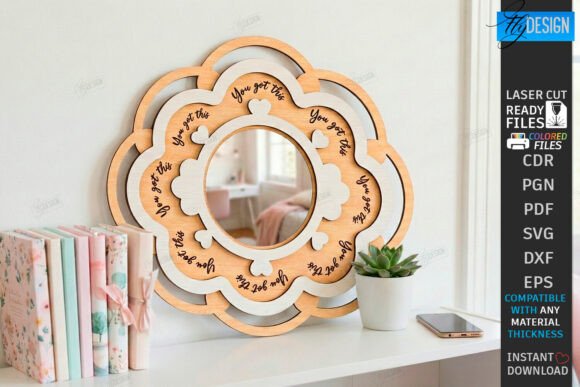
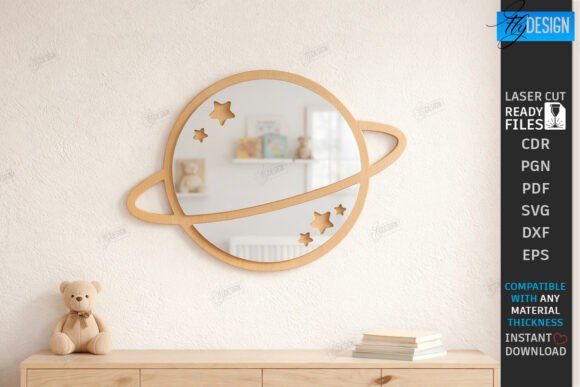
At its core, this concept involves using digital design files—often available as SVG, DXF, or EPS formats—to guide a laser cutter in shaping acrylic sheets into intricate mirror frames or standalone reflective art. The result is a lightweight, shatter-resistant alternative to glass that can be cut into whimsical shapes like clouds, animals, stars, or abstract geometric patterns. Because the material is acrylic, it is far safer for a child's environment. If a ball gets thrown or a toddler gets a little too enthusiastic during playtime, acrylic won't shatter into dangerous shards. This peace of mind is often the primary driver for parents choosing this route over traditional glass mirrors.
Real-World Applications Beyond the Nursery
While the name suggests these are strictly for nurseries, the utility of laser-cut mirror designs extends far beyond a baby's first room. Consider the scenario of a preschool or daycare center. These environments need to be durable, easy to clean, and visually stimulating. A large, laser-cut mirror shaped like a friendly sun or a winding river can serve as a focal point for circle time. Teachers can use these interactive pieces to help children learn about reflections, shapes, and even emotions by making faces in the mirror. The ability to customize the size means you can fit a mirror perfectly into an awkward nook above a reading bench or along a hallway where kids line up.
For occupational therapists and sensory integration specialists, these mirrors are invaluable tools. Sensory rooms often require specific visual inputs to help children regulate their emotions. A Kids Room Wall Mirror Laser Cut CNC piece can be designed with specific textures engraved around the edges (using the black line settings in your design file) to provide tactile feedback, while the reflective surface offers visual depth. You might create a set of smaller, handheld mirrors cut from the same sheet for one-on-one therapy sessions, allowing for portable sensory input that is safe and engaging.
Small businesses and Etsy sellers also find a lucrative niche here. Parents are constantly searching for unique nursery decor that matches a specific theme, whether it is "boho woodland," "modern minimalist," or "under the sea." By purchasing a high-quality template file, a maker can produce endless variations. You aren't limited to just one color; acrylic mirrors come in gold, silver, rose gold, blue, pink, and even holographic finishes. This allows a creator to offer a bespoke service where a customer can request a mirror that perfectly matches their crib sheets or wall paint, something big-box retailers rarely offer.
Navigating the Technical Side: Files and Machines
If you are ready to dive into making these yourself, understanding the digital files is crucial. Most templates you will encounter come in a zip archive containing multiple formats: SVG, EPS, PNG, PDF, and DXF. Each has its place, but knowing which one to feed your machine can save you a lot of frustration. For users operating Lightburn software, which is industry-standard for many hobbyists and pros alike, there is a known quirk. Lightburn can sometimes distort dimensions when importing SVG files, leading to a mirror frame that doesn't quite fit your acrylic sheet or ends up slightly smaller than intended.
To avoid this headache, it is highly recommended to use the DXF file format when working with Lightburn. DXF files tend to maintain precise scaling and vector paths, ensuring that what you see on your screen is exactly what gets cut. Before you hit start, always double-check your line settings. In most standard design protocols for these mirrors, red lines indicate where the laser should cut all the way through the material, while black lines are set to engrave. This distinction is vital if your design includes internal details, like the eyes on an animal shape or decorative swirls within a frame. Engraving adds depth and texture without compromising the structural integrity of the piece.
Material thickness is another practical consideration. These files are often optimized for specific thicknesses, commonly 3mm or 5mm acrylic. If you attempt to cut a 10mm sheet with a file designed for 3mm, you might run into issues with kerf (the width of the cut) or detail loss in tight corners. Always test your settings on a scrap piece of the same material and thickness before committing to your final project. Additionally, ensure your laser has enough power to cleanly cut through the chosen thickness; acrylic requires a clean edge to look like a true mirror, and a ragged cut can ruin the illusion.
Design Choices and Creative Freedom
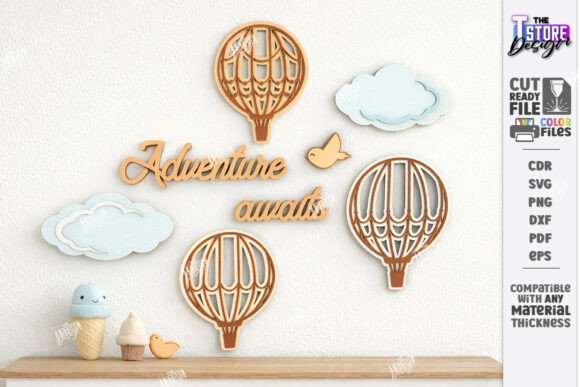
The beauty of using a Kids Room Wall Mirror Laser Cut CNC approach is the sheer variety of design possibilities. You aren't stuck with a boring rectangle. Imagine a mirror shaped like a hot air balloon floating above a changing table, or a cluster of stars surrounding a vanity area for a older child getting ready for school. The interactive nature of these pieces encourages children to engage with their space. A mirror placed at a child's eye level invites them to check their outfit, practice smiling, or simply explore how light bounces around the room.
When selecting a design, think about the longevity of the theme. While a specific cartoon character might be trendy today, a classic shape like a cloud, moon, or simple geometric hexagon will grow with the child. These timeless designs can stay on the wall from infancy through the teenage years, merely requiring a change in the room's accent colors rather than a replacement of the decor itself. Furthermore, because the files are digital, you can easily scale them up or down in your design software to fit different wall spaces without losing resolution.
Safety and Installation Considerations
Even though acrylic is shatter-resistant, proper installation is key to ensuring safety in a kids' room. Unlike heavy glass, acrylic mirrors are incredibly lightweight, which makes mounting easier but also requires secure adhesion to prevent them from being pulled down by curious hands. Double-sided mounting tape designed for acrylics often works well for lighter pieces, while heavier or larger installations might benefit from small, discreet stand-off screws that add a modern, floating look. Always ensure that any sharp corners generated during the cutting process are smoothed out, although laser cutting typically leaves a polished edge naturally.
It is also worth noting the limitations of acrylic compared to glass. While it is safer, acrylic can scratch more easily. Placing these mirrors in areas where they won't be subjected to abrasive cleaning or rough handling will keep them looking pristine longer. Avoid using paper towels or rough cloths to clean them; a microfiber cloth and a gentle plastic-safe cleaner are your best friends here. Despite this minor maintenance requirement, the trade-off for safety and customization makes acrylic the superior choice for children's environments.
Ultimately, whether you are a DIY enthusiast looking for a weekend project or a professional decorator seeking unique elements for a client, the versatility of laser-cut mirror templates offers endless potential. By choosing the right file format, understanding your machine's capabilities, and selecting a design that sparks joy, you can create a centerpiece that defines a room. It is a perfect blend of technology and creativity, resulting in a functional art piece that children will love and parents will appreciate for its safety and style. If you ever find yourself needing a different file type or a specific color variation for a project, reaching out to the designer of the template can often unlock even more possibilities, ensuring your vision comes to life exactly as you imagined.