String Art Laser Cut: A Digital Design Essential
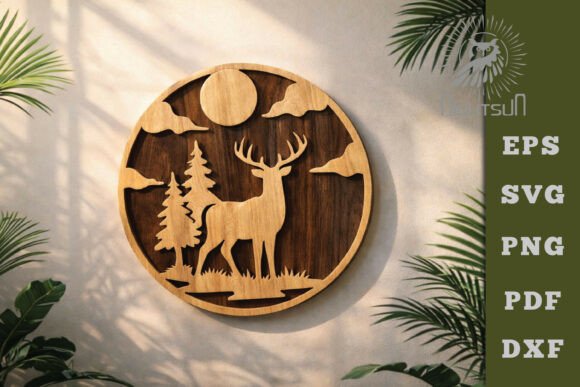
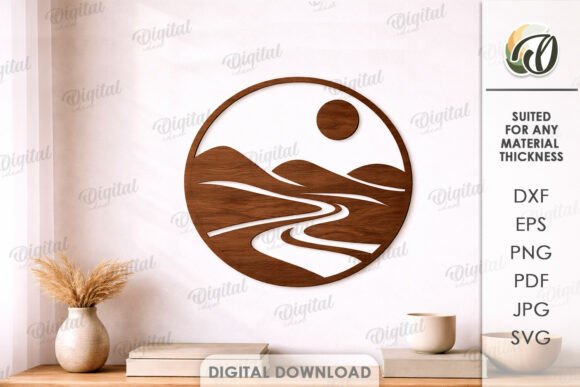
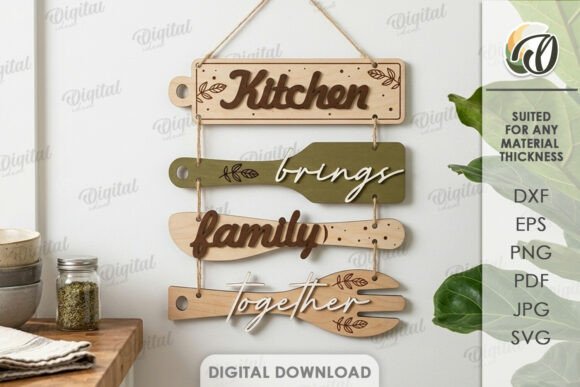
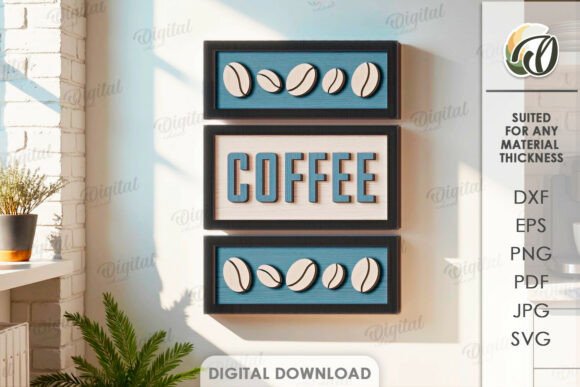
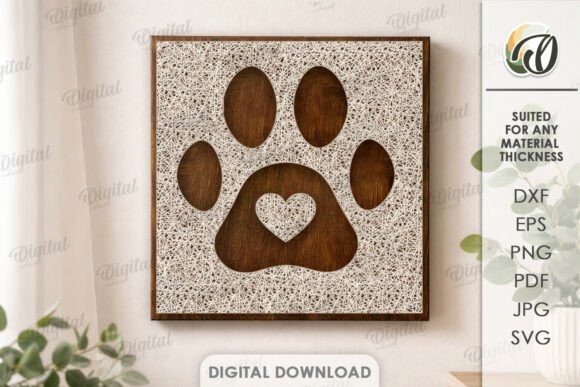
There is a distinct satisfaction in seeing a complex, hand-crafted aesthetic translated into a precise digital format. When you encounter a design that mimics the tension of thread and the geometry of nails, it immediately evokes a sense of warmth and artisanal effort. This is the core appeal of String Art Laser Cut. However, it is crucial to understand exactly what you are acquiring when you purchase this asset. This is a digital product. No physical goods, wooden boards, or spools of thread will be shipped to your door. The photos you see in the listing are intended strictly for inspiration, showcasing the potential end result once the files are utilized with your own materials and machinery. What you actually receive is a versatile zip folder containing one comprehensive design available in SVG, DXF, EPS, PDF, JPEG, and PNG file formats. This distinction matters because it shifts the power of creation entirely into your hands, allowing for endless customization without the logistical hurdles of shipping physical inventory.
The visual personality of this design style is rooted in the intersection of mathematics and art. Visually, it relies on the interplay of straight lines to create curved forms, a technique that creates a mesmerizing depth when viewed from a distance. In a digital context, having access to these vectors means you can scale the artwork from a small coaster to a large-scale wall installation without losing fidelity. For designers and makers, this offers a unique bridge between traditional craft and modern fabrication. Whether you are running a small business selling custom home decor or a marketing agency looking for textured elements to elevate a brand campaign, the utility of these files lies in their adaptability. They serve as a foundational layer upon which you can build an original design for your home, office, or client projects.
Unlocking Versatility Across Creative Industries
The applications for a high-quality vector design like this extend far beyond simple hobbyist projects. For entrepreneurs and small business owners, particularly those in the crafting and maker space, having a reliable source file in DXF or SVG format is invaluable. These formats are the industry standard for laser cutters and CNC machines. By purchasing this digital asset, you bypass the time-consuming process of manually tracing images or attempting to generate clean vector paths from low-resolution photographs. Instead, you start with a production-ready file that respects the constraints of physical manufacturing, such as line continuity and node optimization.
In the realm of brand identity and logo design, this aesthetic can communicate values of craftsmanship, patience, and attention to detail. Imagine a coffee shop or a boutique furniture maker using a simplified version of this string art pattern as part of their packaging design or storefront signage. The geometric nature of the lines provides a modern twist on a nostalgic craft, making it suitable for contemporary editorial design or web design elements where texture is needed to break up flat color blocks. While this is not a serif font or a sans serif font in the traditional typographic sense, it functions similarly to a display font or a decorative graphic element that commands attention. It works exceptionally well in headers, hero images, or as a background texture for social media graphics where standing out in a crowded feed is essential.
Publishers and content creators can also leverage these assets to add a tactile feel to digital publications. When used as a chapter divider or a section break in an eBook or magazine layout, the intricate line work draws the eye and provides a moment of visual interest. Because the package includes raster formats like JPEG and PNG alongside the vectors, you have immediate flexibility. You can drop the PNG directly into a presentation or a social post, or open the EPS in Illustrator to recolor the lines to match a specific brand palette. This level of flexibility ensures that the design remains consistent across various mediums, reinforcing professional recognition and audience engagement.
Strategic Implementation and Technical Considerations
When integrating String Art Laser Cut files into your workflow, the first step is evaluating the project fit. Not every design benefits from high-complexity line work. For large-format outputs, such as a lobby wall feature or a trade show backdrop, the density of the lines creates a rich, moody effect. However, for smaller applications like business cards or mobile app icons, you may need to simplify the design or increase the contrast to maintain legibility. This is where having the editable vector formats (SVG, DXF, EPS) becomes critical. You can adjust the number of lines or the thickness of the strokes to suit the scale of your output, ensuring the visual hierarchy remains intact.
Readability and clarity are paramount, especially if you are combining this graphic with text. Since the design itself is busy and intricate, it often works best as a standalone focal point or a subtle background element rather than competing with body copy. If you are using it in conjunction with typography, pair it with a clean, minimal modern typography choice. A simple sans serif font allows the complexity of the string art to shine without creating visual noise. Avoid pairing it with ornate script fonts or heavy serif fonts unless you are deliberately aiming for a maximalist aesthetic, which can be risky in commercial contexts.
From a technical standpoint, understanding the file formats included in your zip folder is key to efficiency. The DXF and SVG files are your go-to for machine cutting. They contain the precise path data needed for lasers to follow. The PDF is excellent for proofing and sharing with clients who may not have specialized design software, while the EPS ensures compatibility with older versions of Adobe Illustrator. The inclusion of JPEG and PNG files caters to quick mockups and digital-only uses. Before finalizing any commercial project, always test the cut settings on a scrap piece of material. Different materials—wood, acrylic, metal—react differently to laser heat, and the density of the string art pattern might require adjustments in speed and power to prevent burning or warping.
Finally, consider the licensing and commercial potential. As a digital download, this asset is designed to be a tool for your creativity. Whether you are creating one-off pieces for an Etsy store or scaling up production for a retail line, the "endless possibilities of creation" mentioned in the product description are literal. You are not limited to the black-and-white preview images; you can experiment with colored threads, varied nail heights, or even layered acrylics to create depth. For marketers, this means you can produce unique, proprietary visuals that don't look like stock photography. For designers, it means adding a custom, hand-crafted texture to a digital portfolio. The value lies not just in the file itself, but in how you manipulate it to solve a specific design problem or enhance a brand narrative.
If you find yourself unsure about which file format suits your specific machine or software, or if you have questions about scaling the design for a non-standard project, do not hesitate to reach out. Many creators offer support to ensure you get the most out of their digital products. Happy shopping, and enjoy the process of turning these digital lines into tangible art.