Custom Caravan Key Holder Designs for Laser and Metal Cutting Projects
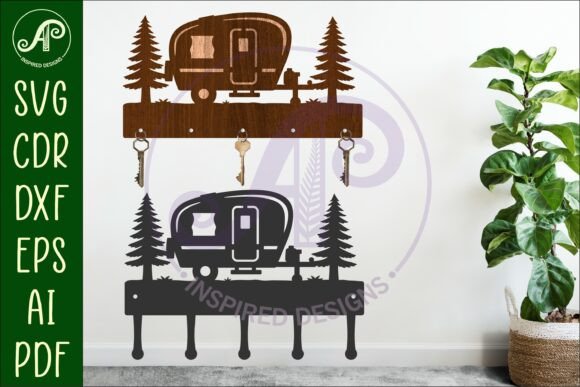
There is a specific kind of satisfaction that comes from organizing the entryway of a home or a recreational vehicle. It is often the first thing guests see and the last thing you touch before heading out the door. For owners of caravans, motorhomes, and campers, keeping track of keys is not just about convenience; it is about security and peace of mind during travel. This is where Caravan Key Holder Designs come into play, offering a tailored solution for makers who want to create functional, personalized decor. These digital files are not just images; they are precise instructions for laser cutters and metalworking tools, designed to turn raw materials into durable, everyday essentials.
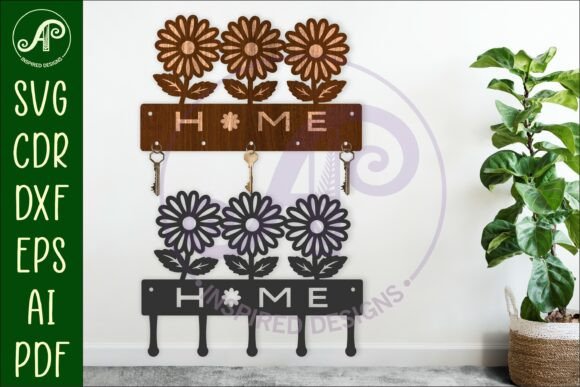
The core of this resource lies in its versatility. The package includes two distinct design variations: one optimized for laser wood cutting and another engineered specifically for metal cutting. This distinction matters because wood and metal behave differently under heat and pressure. A design that works perfectly for a 3mm plywood sheet might need adjustments for a 2mm steel plate to ensure structural integrity. By providing separate files, the creator acknowledges the practical realities of fabrication, saving the user time on file preparation and reducing the risk of material waste.
Real-World Applications for Makers and Small Businesses
For hobbyists and small business owners, these files open up immediate opportunities for product creation. Imagine a crafter attending a local weekend market focused on outdoor living or RV accessories. Having a stack of wooden key holders shaped like classic caravans allows them to offer a niche product that resonates deeply with customers. Unlike generic store-bought hooks, these items can be customized on the spot. A buyer might ask for their family name or a specific campsite date to be added, turning a simple utility item into a cherished keepsake.
The utility extends beyond individual sales. Consider a campground owner or an RV rental agency looking to brand their facilities. Using the metal-cutting version of the design, they could produce sturdy, weather-resistant key racks for their reception desks or rental units. Metal holds up better against the elements and heavy daily use compared to unfinished wood. By outsourcing the cutting to a local fabrication shop or doing it in-house with the right equipment, these businesses can create a cohesive look that reinforces their brand identity without the high cost of custom manufacturing runs.
Educators and workshop leaders also find value in such resources. In a vocational training setting focused on CNC machining or laser technology, students need projects that teach precision while resulting in a usable object. Working through the process of importing these SVG or DXF files, setting power and speed parameters, and executing the cut provides a complete learning loop. The result is a tangible item they can take home, which boosts confidence and demonstrates the practical application of digital fabrication skills.
Technical Specifications and File Compatibility
One of the most frustrating aspects of working with digital cut files is incompatibility. You might have a favorite software suite, only to find the download requires a plugin you do not own. This collection addresses that by including a comprehensive range of formats: SVG, EPS, DXF, AI, CDR, and PDF. Whether you are running LightBurn, Silhouette Studio, CorelDraw, Adobe Illustrator, or a basic CAD program, there is a file type ready to import directly.
The designs are formatted with exterior cut lines in blue, a standard convention that helps operators quickly distinguish between cut paths and engrave lines. This attention to detail streamlines the workflow. When you open the file, you are not spending twenty minutes cleaning up nodes or separating layers; you are ready to set your material dimensions and start cutting. The primary design is sized at 28cm wide (just under 12 inches), which is an ideal scale for a key holder—large enough to be visible and hold multiple sets of keys, but compact enough to fit on most standard sheets of plywood or metal stock.
It is important to remember that this is a digital download only. No physical item will be mailed. Upon purchase, you receive a zip folder containing the vector files. This instant access means you can start your project within minutes of deciding to make it. However, it also places the responsibility of material selection and machine calibration on you. You must ensure your laser cutter or plasma table is tuned correctly for the specific thickness and type of material you intend to use.
Choosing the Right Material for Your Project
When deciding how to execute these Caravan Key Holder Designs, the choice between wood and metal defines the final aesthetic and function. Wood offers warmth and a rustic charm that fits well with "glamping" themes or cozy cabin interiors. Birch plywood, walnut, or oak can be stained, painted, or left natural. It is easier to cut and generally requires less expensive equipment. However, wood is susceptible to moisture and wear over time, making it better suited for indoor use or protected outdoor areas.
Metal, on the other hand, provides an industrial, modern look. Steel or aluminum versions of the caravan shape are incredibly durable. They can withstand rain, sun, and temperature fluctuations, making them perfect for mounting on the exterior of a shed, garage, or even the caravan itself if weight permits. The metal-cutting file likely accounts for kerf width differently than the wood file, ensuring that holes for screws or hooks align correctly after the thermal expansion of cutting metal. If you are creating a gift for someone who lives full-time in their RV, the metal option might be the more thoughtful, long-lasting choice.
Practical Considerations Before You Cut
Before you send the file to your machine, there are a few practical steps to consider. First, verify the scale. While the file is set to 28cm, your software might default to a different unit of measurement (inches vs. millimeters). Always measure the preview on your screen against your material size to avoid accidental resizing that could ruin the proportions of the caravan shape.
Second, think about the mounting mechanism. The design provides the shape, but you need to plan for how it attaches to the wall. Will you drill holes for screws? Will you use heavy-duty adhesive strips? If you are using the metal design, you might need to incorporate tabs or bend sections to create a floating effect off the wall. For wood, you might want to glue a backing board to hide screw heads for a cleaner finish.
Finally, consider the finishing touches. A raw cut edge on plywood can look rough, while a freshly cut steel edge might be sharp. Sanding, filing, powder coating, or applying a clear sealant are essential post-processing steps that transform a "cut piece" into a "finished product." These extra minutes of labor significantly increase the perceived value of the item, whether you are giving it as a gift or selling it to a customer.
In the world of digital fabrication, having reliable, well-structured files is half the battle. These Caravan Key Holder Designs provide a solid foundation for creativity. They remove the barrier of designing from scratch, allowing you to focus on material selection, finishing techniques, and the joy of making something useful. Whether you are equipping your own travel trailer, stocking shelves for your Etsy shop, or teaching a class on laser safety and operation, these files serve as a versatile tool in your creative arsenal.